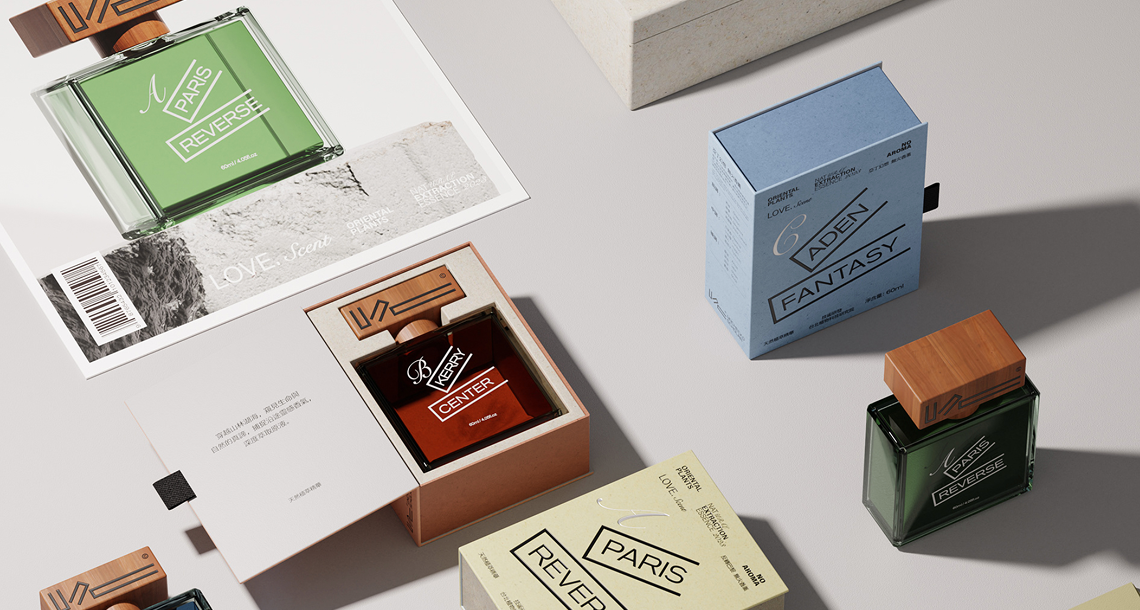
Hot foil stamping is the finishing process most closely associated with luxury fragrance packaging. The metallic shine of a gold-foiled brand name on a matte black carton, or a silver-foiled botanical illustration on an ivory rigid box, communicates premium positioning with an immediacy that no other print process can match. It is also a process with significant technical complexity — and a process where supplier capability differences translate directly into visible quality differences.
This article covers the complete hot foil stamping process for perfume boxes, the technical variables that determine quality, the most specified foil types in fragrance packaging, and the quality benchmarks buyers should apply when evaluating supplier output.
What Is Hot Foil Stamping?
Hot foil stamping (also called hot stamping, foil blocking, or thermographic foiling) is a dry printing process in which a metallic or pigmented foil is transferred from a carrier film onto the substrate surface using a heated metal die under pressure. The heat activates an adhesive layer on the foil, bonding the foil to the substrate while simultaneously releasing it from the carrier film. The result is a precise, crisp metallic image with a reflectivity and depth that cannot be replicated by metallic ink printing.
Unlike wet printing processes, hot foil stamping requires no drying time and produces no solvent emissions — it is compatible with sustainability-focused production environments and is achievable on a wide range of substrates including coated paper, uncoated paper, fabric, leather, acrylic, and wood.
The Hot Foil Stamping Process Step by Step
Step 1 — Die Preparation
The stamping die is a precision-engraved or photochemically etched metal block — typically magnesium for short runs or brass for long runs and fine detail work — that carries the reverse image of the design to be stamped. Brass dies are preferred for fragrance packaging applications because their higher thermal conductivity produces more consistent heat distribution across the die face, critical for uniform foil adhesion on complex or large-area designs. Die engraving quality directly determines the sharpness of fine lines and text in the stamped image.
Step 2 — Foil Selection and Loading
Foil roll is loaded onto the stamping press and threaded through the feed mechanism that advances the foil between the die and substrate for each impression. Foil selection is a critical quality variable — different foil grades vary significantly in metallicity, color temperature, adhesion chemistry, and abrasion resistance. Premium fragrance packaging specifies foil from established suppliers (Kurz, Crown Roll Leaf, API) rather than commodity foil, which produces inferior metallicity and is more susceptible to delamination.
Step 3 — Temperature and Pressure Calibration
Die temperature (typically 90–160°C depending on foil type and substrate) and impression pressure must be precisely calibrated for each job. Insufficient temperature produces incomplete foil transfer — visible as pinholes or thin spots in the stamped area. Excessive temperature causes foil bleed — the foil adhesive migrates beyond the die edge, producing a halo effect around fine features. Correct calibration is validated on make-ready test sheets before production begins.
Step 4 — Registration and Impression
Stamping registration — the precise positional alignment of the stamped image relative to the printed design — is critical for multi-process finishing where foil stamping is combined with offset printing. Registration tolerances for premium fragrance packaging are typically ±0.3mm. Tighter tolerances (±0.1mm) are achievable with servo-controlled feed systems on modern flatbed stamping presses.
Step 5 — Post-Stamping Inspection
Each stamped sheet is inspected under raking light (oblique illumination) that reveals foil adhesion defects, pin-holes, foil bleed, and registration errors that are not visible under normal flat lighting. Sheets with defects exceeding the agreed AQL standard are removed and reprinted.
Gold Foil — The Luxury Standard
Gold foil in fragrance packaging encompasses a spectrum of tones from bright yellow gold (mirror-finish, high metallic) to champagne gold, antique gold, and rose gold. Each is produced through variation in the metallic layer composition of the foil. Bright gold communicates heritage luxury — think classic European perfumery. Champagne and rose gold communicate contemporary premium — increasingly dominant in prestige feminine fragrance. The choice of gold tone should align with the overall brand color palette and target market positioning.
Gold foil on matte black substrate (matte laminated carton) is one of the most specified combinations in luxury fragrance packaging globally, producing maximum contrast and maximum metallic impact.
Silver Foil — Contemporary Precision
Silver foil communicates modernity, precision, and technological sophistication — associations that align with masculine fragrance positioning, niche perfumery, and unisex contemporary brands. Mirror silver produces the highest reflectivity; brushed silver and satin silver finishes introduce a more understated, craft-quality character. Silver on deep blue, forest green, or charcoal substrates is a particularly powerful combination for prestige masculine fragrance.
Specialty Foil Options
- Holographic foil: Diffracts light to produce rainbow color-shift effect — used for limited editions and youth-positioned fragrance lines
- Glitter foil: Incorporates metallic particles for a sparkle effect — popular in festive and gift-set packaging
- Matte foil: Metallic color without specular reflectivity — produces a sophisticated, contemporary look distinct from both standard foil and standard matte print
- Pigment foil (non-metallic): Transfers solid color with a precision and opacity not achievable with conventional ink — used for precise brand color blocking
Combining Foil Stamping with Embossing
Foil stamping is frequently combined with embossing or debossing in a single pass using a combination die — the same die that transfers the foil simultaneously raises (emboss) or recesses (deboss) the substrate surface beneath the foil image. Foil-emboss combination produces a three-dimensional metallic design element with maximum luxury impact. It is the standard treatment for brand logo panels on prestige fragrance rigid boxes.
Quality Benchmarks for Foil Stamping
- Foil adhesion: Cross-cut tape pull test — zero foil transfer to tape at GT0
- Edge definition: 0.1mm lines should reproduce without bridging or ragged edges
- Pin-hole density: Zero visible pin-holes under 1,000 lux inspection lighting
- Registration: ±0.3mm or better versus printed design elements
- Abrasion resistance: 50 rubs with dry cotton cloth — no visible foil loss
- Color consistency: ΔE < 1.5 versus approved foil standard across production run
Conclusion
Hot foil stamping is the single finishing process with the greatest impact on perceived packaging quality in the fragrance category. Executed correctly — with the right foil grade, correctly calibrated temperature and pressure, precise registration, and rigorous post-stamping inspection — it elevates a packaging design from commercial to luxury. Executed poorly, it produces a visual that communicates exactly the opposite. Panda Glass operates dedicated flatbed foil stamping equipment with brass die capability and provides pre-production stamping samples for all custom box projects.
Request foil stamping samples or a finishing specification consultation: info@pandaglass.com | www.pandaglass.com