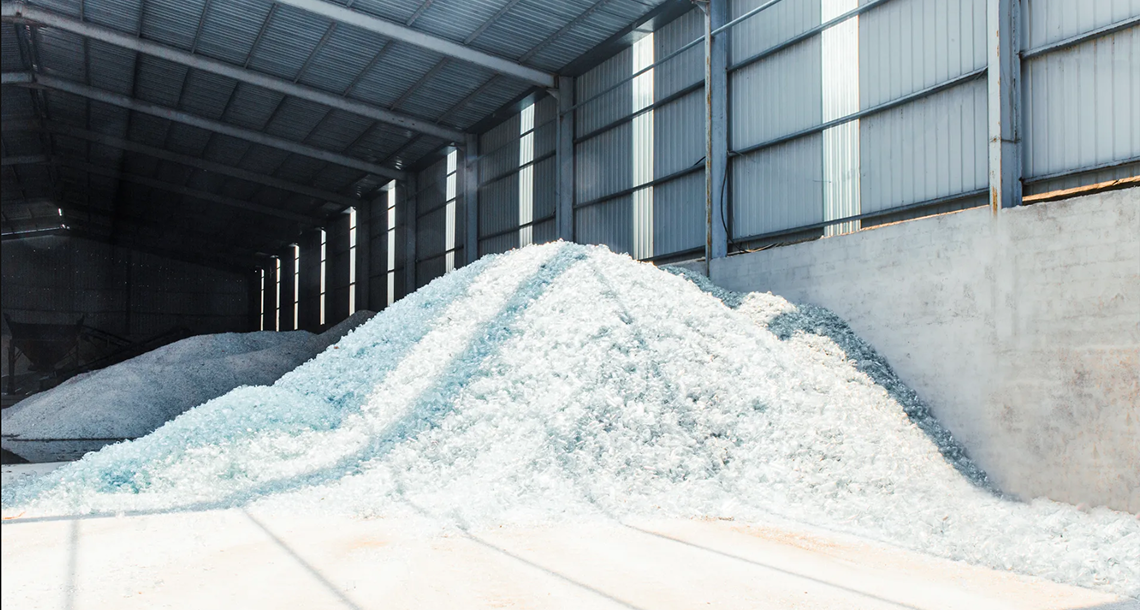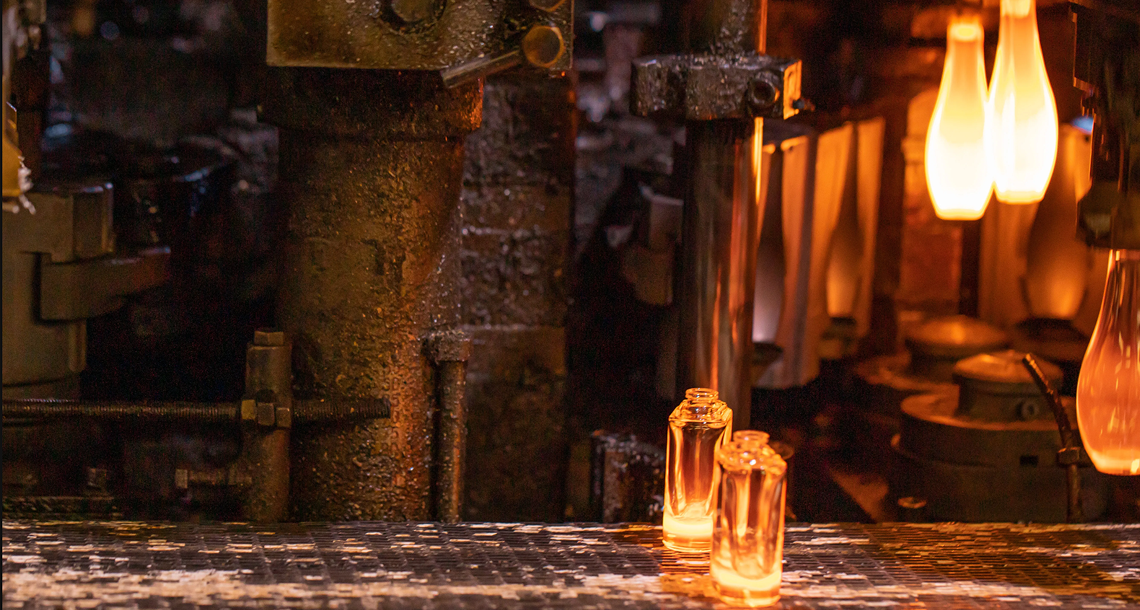
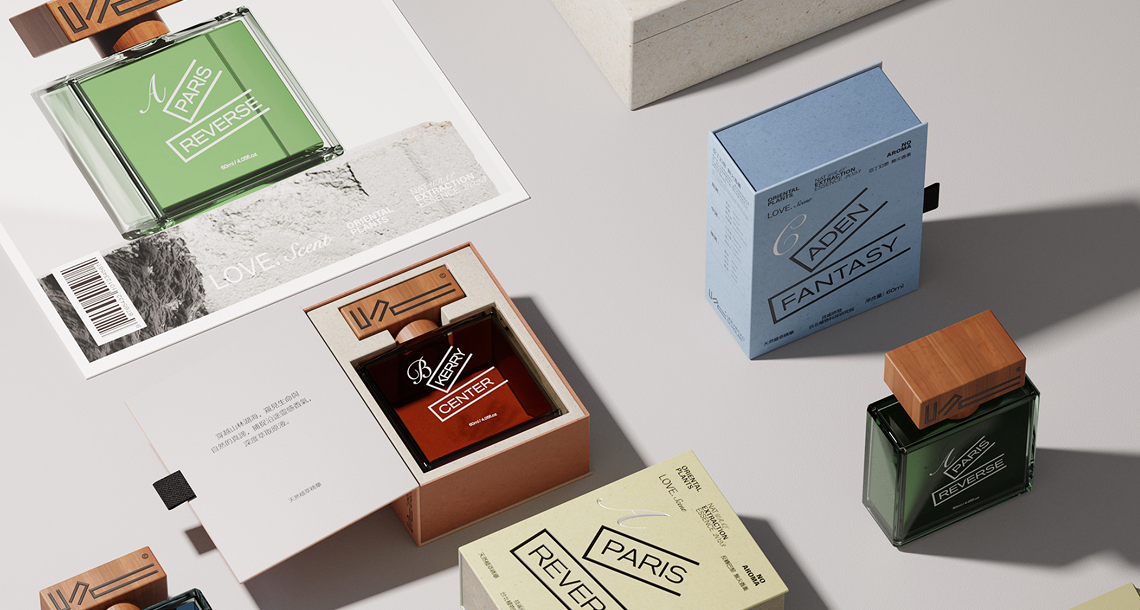
The fragrance industry has a waste problem that its packaging does not advertise. Billions of perfume bottles are produced annually. A fraction are recycled. A smaller fraction still are refilled. The majority end their lives in landfill — sometimes decades after they were manufactured, because the very durability that makes glass an excellent packaging material also makes it extraordinarily persistent when it is not recovered.
Circular packaging design — the practice of designing packaging with its end of life as an explicit design parameter, not an afterthought — is the framework that fragrance brands and their manufacturing partners need to address this problem seriously. At Panda Glass, we are working with our brand partners to embed circular thinking into packaging development from the earliest stages of a project.
What Circular Design Actually Means for a Perfume Bottle
Circular packaging design for a glass fragrance bottle operates across three interconnected principles: design for recyclability, design for refillability, and design for longevity.
Designing for recyclability means making choices at the material specification stage that support efficient glass recovery. This includes avoiding mixed-material constructions where glass and non-glass elements are permanently bonded — a decorative metal sleeve that cannot be separated from the glass body, for example, contaminates the glass recycling stream. It means specifying adhesive labels that release cleanly in standard glass washing processes. And it means communicating clearly to end consumers how to prepare the bottle for recycling — a step that is frequently overlooked in fragrance packaging communication.
Designing for refillability means engineering the bottle to accept repeated fill cycles without degradation. The neck finish must maintain its crimp integrity across multiple pump replacements. The interior surface must be inert and non-absorptive across a range of fragrance formulations. The external decoration must be durable enough to survive consumer handling between fill cycles. These are engineering requirements, not aesthetic ones — and they influence material specifications, decoration technique selection, and quality control parameters.
Designing for longevity means making a bottle that consumers want to keep — not because they feel guilty about throwing it away, but because it is genuinely beautiful, well-made, and meaningful enough to retain. The most sustainable package is the one that never enters the waste stream at all, because the person who received it has decided to keep it forever. This is not a hypothetical — fragrance bottles are among the most commonly retained luxury objects in existence, displayed on dressing tables and bathroom shelves for years or decades after the fragrance is exhausted.
The Refill Model: Infrastructure and Opportunity
The refillable fragrance market is growing at a rate that suggests it is not a trend but a structural shift. Major retailers across Europe and North America are building refill station infrastructure. Prestige fragrance houses are launching refillable flagship SKUs alongside their standard lines. Consumers — particularly in the 25-40 demographic that drives prestige fragrance growth — are actively seeking refillable options as part of a broader conscious consumption orientation.
For brands considering a refillable packaging program, the glass bottle specification is the foundation. At Panda Glass, we support refillable program development by engineering bottles with robust neck finish performance across multiple pump replacement cycles, durable external decoration that survives consumer handling between fills, and interior geometries that drain cleanly and completely before refilling.
We also support brands in designing the secondary packaging and point-of-sale systems that make a refill program operationally viable — because a refillable bottle without a functioning refill infrastructure is not a circular product. It is a marketing claim.
Toward a Measurable Sustainability Standard
The fragrance packaging industry lacks a consistent, measurable sustainability standard — and that absence makes it easy for brands to make sustainability claims that are difficult to verify and easy to overstate. At Panda Glass, we believe the path forward is transparency: documented recycled content percentages, verified recyclability claims, refill program performance data, and honest communication about the areas where glass manufacturing still has progress to make.
We are building the reporting infrastructure to support that transparency — because our brand partners increasingly need it, and because the fragrance industry’s sustainability credibility depends on it.