Cost comparison between folding cartons and rigid boxes is one of the most frequently requested analyses in fragrance packaging procurement — and one of the most frequently misunderstood. Buyers who compare unit costs alone without accounting for tooling amortization, freight, storage, and fill-line labor costs often reach incorrect conclusions about which format delivers better total value for their specific operation.
This article provides a comprehensive, total-cost-of-ownership comparison between folding cartons and rigid boxes for perfume packaging, covering every cost component from tooling to consumer delivery.
Component 1 — Unit Manufacturing Cost
Folding Carton
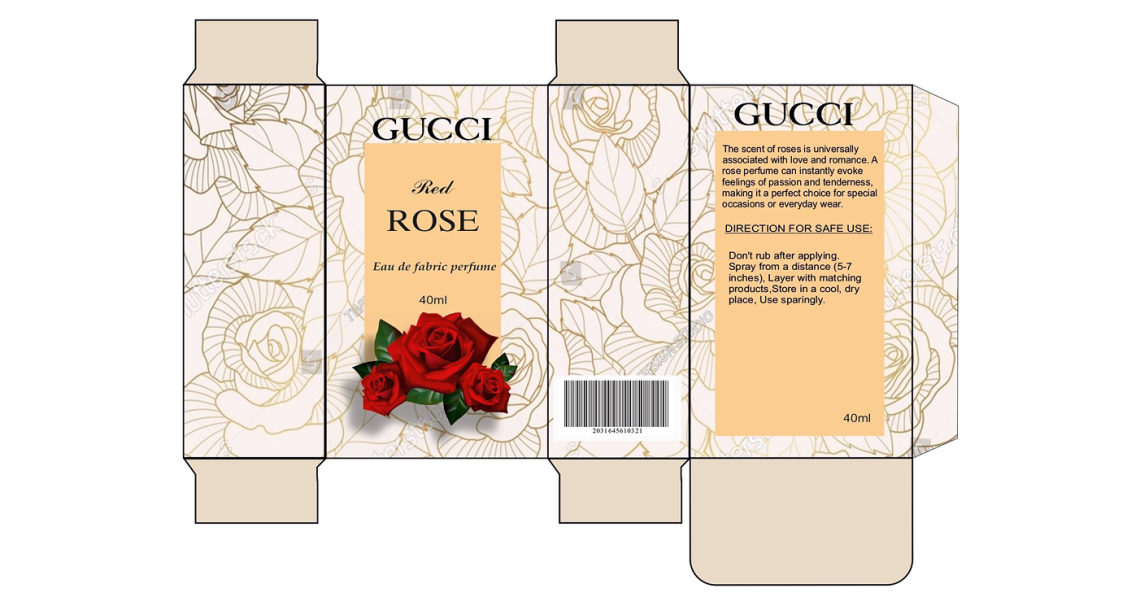
Folding carton unit costs are driven primarily by board weight, print complexity (number of colors, surface finish specification), structural design complexity, and quantity. At standard fragrance packaging specifications (450 gsm board, 4-color offset + matte lamination + spot UV or foil stamp), typical unit costs at commercial quantities are:
- 5,000 units: USD 0.35–0.65 per unit
- 10,000 units: USD 0.25–0.45 per unit
- 50,000 units: USD 0.15–0.28 per unit
- 100,000+ units: USD 0.10–0.20 per unit
Rigid Box
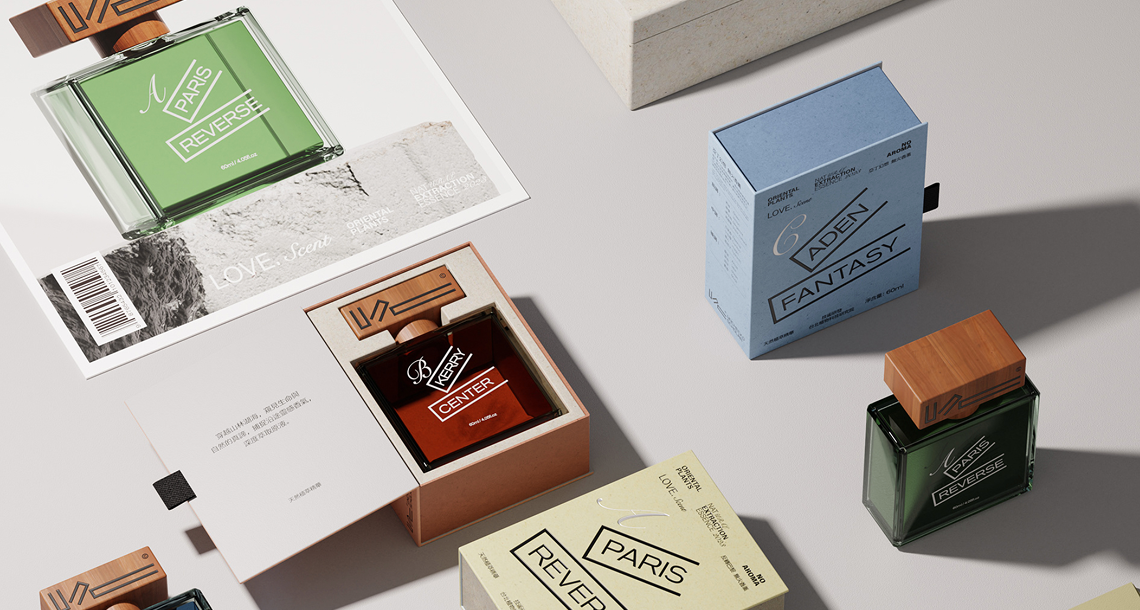
Rigid box unit costs reflect the significantly higher material content (thick greyboard core + cover paper + interior lining + insert) and labor-intensive hand assembly process. At standard luxury fragrance specifications (2,000 gsm greyboard, art paper wrap, foil stamp, ribbon, velvet or paper insert):
- 1,000 units: USD 3.50–7.00 per unit
- 3,000 units: USD 2.50–4.50 per unit
- 5,000 units: USD 2.00–3.50 per unit
- 10,000+ units: USD 1.50–2.80 per unit
Component 2 — Tooling and Setup Costs
Folding Carton Tooling
Folding carton tooling consists of the steel cutting and creasing die (USD 150–400 per die depending on complexity) and print plates or cylinders (USD 200–800 for offset plates per color). For a standard 4-color plus spot color job, total tooling investment is typically USD 600–1,500. This tooling is amortized over the first production run — at 10,000 units, tooling adds USD 0.06–0.15 per unit.
Rigid Box Tooling
Rigid boxes generally require lower tooling investment than folding cartons — the main tooling is a cutting die for the cover paper (USD 100–300) and, where applicable, embossing or foil stamp dies (USD 200–600 each). Total tooling for a standard rigid box is USD 300–1,000. Because rigid boxes are assembled by hand rather than by die-cutting and folding machinery, structural tooling is less complex.
Component 3 — Freight Cost
Folding Carton (Flat-Pack)
Flat-packed folding cartons are extraordinarily efficient to ship. A standard 40-foot ocean freight container can hold 800,000–1,200,000 flat folding cartons for a standard 100×50×130mm perfume box. At prevailing Asia-to-Europe ocean freight rates, freight cost per unit for flat-pack cartons is typically USD 0.005–0.015 — negligible relative to manufacturing cost.
Rigid Box (Formed)
Rigid boxes ship formed and occupy their full three-dimensional volume. The same 40-foot container that holds 1,000,000 flat folding cartons holds only 40,000–80,000 formed rigid boxes of equivalent footprint. Freight cost per rigid box unit is consequently USD 0.15–0.40 — 20 to 40× higher than the equivalent folding carton on a per-unit basis. For buyers sourcing rigid boxes from Asian manufacturers for European or North American distribution, freight cost is a major component of total cost that is frequently overlooked in unit-price comparisons.
Component 4 — Storage Cost at Filling Facility
Flat-packed folding cartons require minimal storage space — 10,000 flat cartons occupy approximately 0.5–1.0 cubic meters of racking space. The same quantity of formed rigid boxes occupies 15–25 cubic meters. For filling facilities in high-cost real estate markets (Western Europe, North America), storage cost per unit for rigid boxes is measurably higher. For high-volume operations, this differential is significant in total cost analysis.
Component 5 — Fill-Line Labor Cost
Folding cartons at high volume are erected and filled by automated cartoning lines with minimal direct labor. At low volumes, manual erection adds labor cost of approximately USD 0.02–0.05 per unit. Rigid boxes require manual filling and lid placement — at skilled labor rates in Western filling facilities, manual assembly labor for a rigid box gift set (bottle + cap + pump + insert placement + lid) can add USD 0.50–1.50 per unit.
Total Cost of Ownership Model — Example Comparison
For a fragrance brand producing 10,000 units of a 100ml perfume for European retail at a USD 80 retail price point:
Folding Carton Scenario
- Unit manufacturing cost: USD 0.38
- Tooling amortization: USD 0.12
- Freight (Asia to Europe, flat-pack): USD 0.01
- Storage (per unit): USD 0.01
- Fill-line labor (manual erection): USD 0.03
- Total packaging box cost per unit: ~USD 0.55
Rigid Box Scenario
- Unit manufacturing cost: USD 3.20
- Tooling amortization: USD 0.08
- Freight (Asia to Europe, formed): USD 0.28
- Storage (per unit): USD 0.06
- Fill-line labor (manual assembly): USD 0.80
- Total packaging box cost per unit: ~USD 4.42
The rigid box costs approximately 8× more on a total cost basis — not the 6–8× that unit price alone suggests, but also not dramatically worse once tooling amortization (lower for rigid) and fill-line labor differences are fully accounted for. For a USD 80 retail fragrance where the box contributes materially to the unboxing experience and brand retention, a USD 4.42 box cost represents 5.5% of retail — a defensible investment.
When the Economics Favor Each Format
- Folding carton makes economic sense: Volume > 20,000 units; retail price < USD 70; automated fill line available; distribution through mass or specialty retail
- Rigid box makes economic sense: Volume < 10,000 units or high-value; retail price > USD 80; direct-to-consumer or boutique retail; unboxing experience is a brand priority; gift set format
- The break-even typically falls around USD 70–80 retail price point at 10,000 unit volume — below which folding carton economics are clearly superior; above which rigid box investment is justifiable
Conclusion
Total cost of ownership analysis consistently reveals that the unit price difference between folding cartons and rigid boxes is real but not as extreme as surface pricing suggests, while the freight cost difference is frequently larger than buyers anticipate. Making the right format choice requires a complete cost model — not just a unit price comparison. Panda Glass provides detailed cost modeling for both formats and can produce comparative samples for any fragrance project to support a fully informed procurement decision.
Request a total cost comparison model or dual-format samples: info@pandaglass.com | www.pandaglass.com