
Sustainability in perfume packaging has moved past the greenwashing phase. Today’s fragrance buyers — whether they are indie brand founders or category managers at major retailers — are asking specific questions: What percentage of recycled glass is in this bottle? Is the carton box printed with soy-based inks on FSC-certified stock? Can the pump head be separated from the glass bottle for end-of-life recycling? These are not marketing questions. They are procurement questions that require real answers from your perfume bottle supplier. This guide maps the sustainable alternatives available for each packaging component — and what each trade-off looks like in practice.
Why Component-by-Component Thinking Matters
Sustainable packaging is often discussed at the product level — ‘we use eco-friendly packaging’ — but it is meaningfully evaluated at the component level. A glass bottle made with 30% post-consumer recycled glass content is a measurably different environmental choice from one made with virgin materials, and a different choice again from one in an ultra-lightweight design that reduces transport emissions. The pump head, the cap, and the carton box each have their own environmental profiles and their own upgrade pathways. A practical sustainability roadmap treats each component separately, identifies the specific material and process change being made, and documents the environmental metric it improves.
Glass Bottle: Recycled Content and Weight Reduction
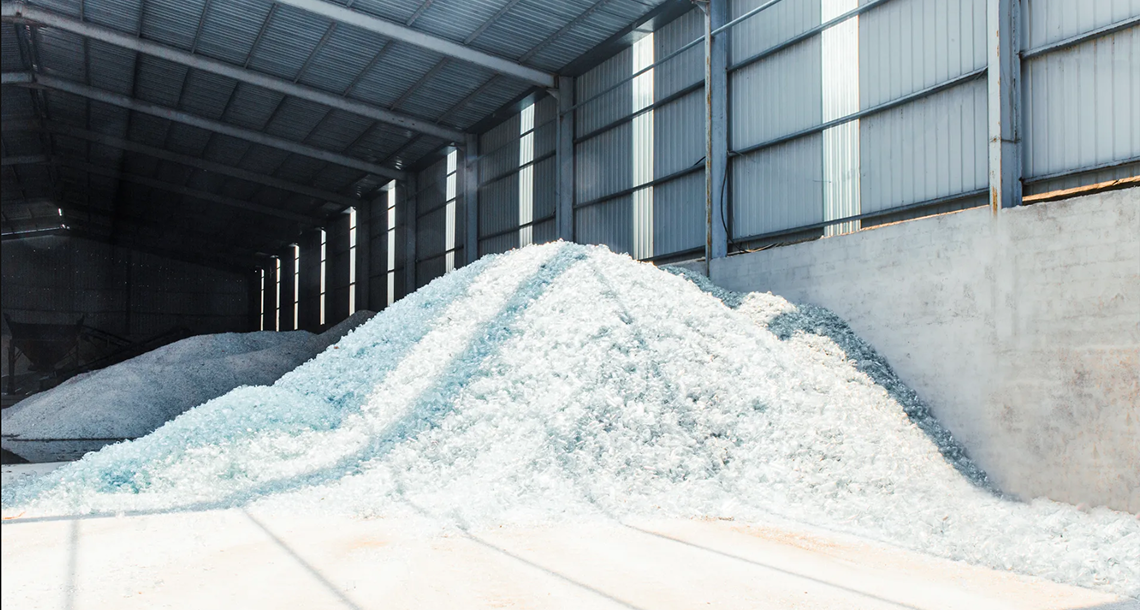
Glass is inherently recyclable and carries strong consumer perception in the sustainability context, but not all glass packaging is equal. Post-consumer recycled (PCR) glass content is the primary sustainability metric for perfume bottle manufacturers offering eco options. Standard commercial glass production typically uses 20 to 30 percent recycled content. Bottles with 50 percent or higher PCR content are available from specialized manufacturers but require careful quality assessment — higher recycled content can introduce more inclusions and color variation than brands are accustomed to in virgin glass. The second lever is lightweighting: reducing glass wall thickness while maintaining structural integrity reduces both material use and transport weight. For brands shipping globally, a 15 percent weight reduction per bottle compounds significantly across a full production run’s carbon footprint.
Pump Heads: The Recyclability Problem and Emerging Solutions
The standard fragrance pump head is one of packaging sustainability’s most persistent challenges. It is a composite assembly of metal springs, plastic components, and rubber seals — typically made from three to five different materials that are functionally inseparable. This makes the pump head almost impossible to recycle through standard household recycling streams. Two approaches are emerging from responsible perfume bottle suppliers. The first is all-plastic pump design — replacing metal springs and ferrules with engineered plastic components to create a mono-material or simplified-material pump that can be recycled as a single stream. The second is pump take-back programs, where consumers return used pumps to collection points for manufacturer-managed recycling. Both approaches add cost and complexity, but for brands targeting sustainability-conscious retail channels, the conversation is no longer optional.
Caps and Closures: From Zamak to Sustainable Alternatives
Zamak (zinc alloy) caps are standard in mid-to-premium perfume packaging and are technically recyclable as scrap metal. However, the surface treatments applied to zamak caps — lacquering, UV coating, flocking, electroplating — create contamination that complicates end-of-life processing. Sustainable alternatives include FSC-certified wood caps (natural and biodegradable, with strong premium aesthetic appeal), bio-resin caps (produced from plant-derived polymers rather than petrochemical plastics), and recycled aluminum closures. Each material has trade-offs in weight, surface finish range, and MOQ. Wood caps, for example, offer exceptional luxury aesthetics but require humidity-controlled storage and cannot be produced in very small neck sizes. Bio-resin caps are still more expensive than conventional plastic but have been adopted by several notable clean beauty brands at commercial scale.
Carton Box: The Clearest Wins in Sustainable Packaging
Secondary carton packaging offers the most straightforward sustainability upgrade path. FSC-certified board stock, soy or water-based printing inks, and elimination of lamination (which renders cartons non-recyclable in many markets) are all achievable without significant design compromise. Hot foil stamping — a common luxury carton treatment — can be replaced with foil-free alternatives using metallic inks that maintain visual impact while improving recyclability. Brands committed to serious sustainability credentials should also review their packaging insert design: foam or flocked plastic trays are common culprits in otherwise sustainable secondary packaging, and replacing them with die-cut recycled board inserts achieves both a material improvement and a cost reduction.
Refillable Packaging: The Architecture Change
The most significant sustainability lever available to fragrance brands is the transition to refillable packaging architecture — designing the bottle and outer case system so that the fragrance can be repurchased in a lightweight refill cartridge rather than a full packaging assembly. This model has been adopted by several major fragrance houses and is increasingly viable for independent brands as refill cartridge manufacturing becomes more accessible from smaller-run perfume bottle suppliers. The design requirements are specific: the outer bottle must accept a standardized refill cartridge, the cartridge neck must be compatible with the brand’s chosen pump specification, and the cartridge must be light-tight and leak-proof during transit. If this architecture is relevant to your brand roadmap, it should be designed into the original bottle concept — retrofitting an existing bottle design for refillability is far more expensive than building the system correctly from the beginning.
Building Your Sustainability Claim — Honestly
The regulatory environment around sustainability claims is tightening in both the EU and US markets. The EU Green Claims Directive, currently moving toward implementation, will require that sustainability claims made on product packaging be substantiated by specific, verifiable evidence. Vague claims such as ‘eco-friendly packaging’ or ‘sustainable materials’ without supporting data will become legally problematic in the European market. For fragrance brands, this means sustainability claims need to be component-specific, metric-backed, and supported by documentation from your perfume bottle supplier. Claim: ‘This bottle is made with 40% post-consumer recycled glass, verified by [Supplier] batch test report [reference].’ That is a defensible claim. ‘Our packaging is environmentally friendly’ is not.
→ We offer a full sustainable packaging audit for fragrance brands — mapping your current component specifications against available sustainable alternatives and quantifying the impact of each upgrade. Contact our team to schedule a sustainability review session.