When a fragrance brand starts sourcing **custom glass bottles**, the very first design decision — and often the one that drives every cost, lead-time, and packaging decision afterward — is the shape of the bottle. Square, round, and free-form (“special-shaped”) glass bottles each carry different manufacturing requirements, mold investments, and visual effects. Understanding these differences before requesting a quote can save buyers weeks of back-and-forth with suppliers and help avoid budget surprises later in the project.
As a manufacturer that produces glass bottles, pumps, caps, and export cartons as a complete perfume packaging system, we work with brands at every stage — from a rough sketch to a fully tooled production line. Below is a practical breakdown of the three most common bottle shape categories used in custom perfume packaging today.
1. Square and Rectangular Custom Glass Bottles
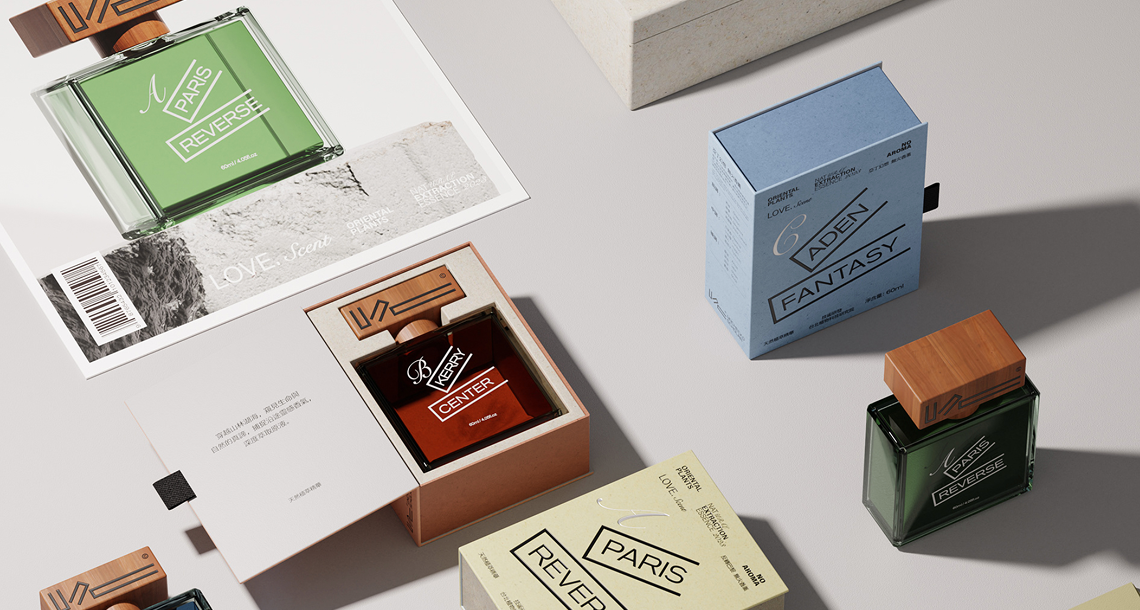
Square and rectangular bottles are the most popular choice for modern, minimalist fragrance lines. Their flat surfaces are ideal for:
– Large-format screen printing, hot stamping, or UV printing
– Symmetrical label placement
– Efficient palletizing and carton loading (less wasted space than round bottles)
From a production standpoint, square bottles are typically made using **press-and-blow molding** because the flat panels and sharp corners require more controlled glass distribution. This generally means slightly higher mold costs and tighter tolerances compared to round bottles of similar volume, but the payoff is a more “engineered,” premium look on the shelf.
**Common applications:** designer fragrance lines, niche perfume houses, gift sets.
2. Round and Cylindrical Custom Glass Bottles
Round bottles remain the most cost-efficient and widely produced shape in the glass packaging industry. Because the glass distributes evenly around a central axis during forming, round bottles:
– Are easier and faster to produce via **blow-and-blow molding**
– Have lower mold development costs
– Offer more flexibility for adjusting capacity (ml) without redesigning the entire mold
– Pair well with rotary spray pumps, which are naturally cylindrical
Round bottles are an excellent starting point for brands that want a **custom glass bottle** with their own neck finish, base engraving, or surface texture (frosted, ribbed, dotted) without the cost of a fully custom silhouette.
3. Special-Shaped (Irregular / Free-Form) Custom Glass Bottles
Special-shaped bottles — asymmetrical curves, sculptural bases, hourglass profiles, or brand-mascot silhouettes — are where custom glass bottle manufacturing becomes true industrial design. These shapes require:
– Multi-cavity custom molds, often with higher tooling investment
– Press molding or hybrid press-blow processes for sharper detail
– More rigorous wall-thickness and weight-distribution checks during quality control, since uneven glass distribution in complex shapes can create stress points or stability issues
Special shapes are usually reserved for hero SKUs, limited editions, or flagship fragrances where shelf differentiation justifies the additional mold lead time (commonly 30–45 days longer than standard shapes).
## Shape, Mold Cost, and MOQ: What Buyers Need to Know
| Shape Type | Mold Cost | Typical MOQ | Lead Time Impact |
|—|—|—|—|
| Round | Lower | Lower | Standard |
| Square / Rectangular | Medium | Medium | +1–2 weeks |
| Special-Shaped | Higher | Higher | +4–6 weeks |
A frequent pain point we hear from new buyers is being quoted a “custom” price without realizing the shape category they selected automatically changes the mold cost structure. Before requesting samples, it’s worth asking your supplier to confirm: (1) whether the shape requires a brand-new mold or can use a shared/stock base mold with a custom neck or surface finish, and (2) how many cavities the mold will have, since this directly affects unit pricing at scale.
## Matching Bottle Shape with Pumps, Caps, and Outer Cartons
Because we manufacture the full packaging set — glass bottles, spray pumps, caps/overcaps, and export-ready cartons — shape decisions are never made in isolation. A square bottle, for example, needs a pump collar and overcap that align visually with its flat panels, and a carton insert designed around its footprint rather than a generic round cavity. This integrated approach prevents a common issue: brands who source bottles and pumps from separate factories and discover the components don’t fit or look mismatched once assembled.
## Frequently Asked Questions
**Q: Can I get a custom glass bottle shape without paying for a brand-new mold?**
Yes. Many suppliers maintain a library of stock bottle bodies (often round or simple square shapes) that can be customized with your own neck finish, glass color, surface treatment, or embossed logo — significantly reducing tooling cost and lead time.
**Q: Which shape is best for a first production run with a limited budget?**
Round bottles offer the best balance of cost, lead time, and customization flexibility for brands launching their first custom perfume packaging line.
**Q: How long does mold development take for a special-shaped custom glass bottle?**
Typically 35–60 days depending on complexity, plus additional time for sample approval rounds.
**Q: Does bottle shape affect the choice between gold, silver, or rose gold finishes?**
Yes — flat surfaces (square bottles) show electroplated finishes more uniformly, while curved or textured special shapes may require adjusted spray angles during electroplating to avoid uneven coating.
—
*Looking for a manufacturer that can develop your custom glass bottle shape and match it with coordinated pumps, caps, and export cartons in one production line? Get in touch with our team for shape feasibility review and a transparent quotation.
Sustainability
Designing for End of Life: How Panda Glass Helps Fragrance Brands Build Circular Packaging Programs
The fragrance industry has a waste problem that its packaging does not advertise. Billions of perfume bottles are produced annually.