How Does a Perfume Pump Work? A Complete Guide to Fragrance Spray Pump Mechanisms
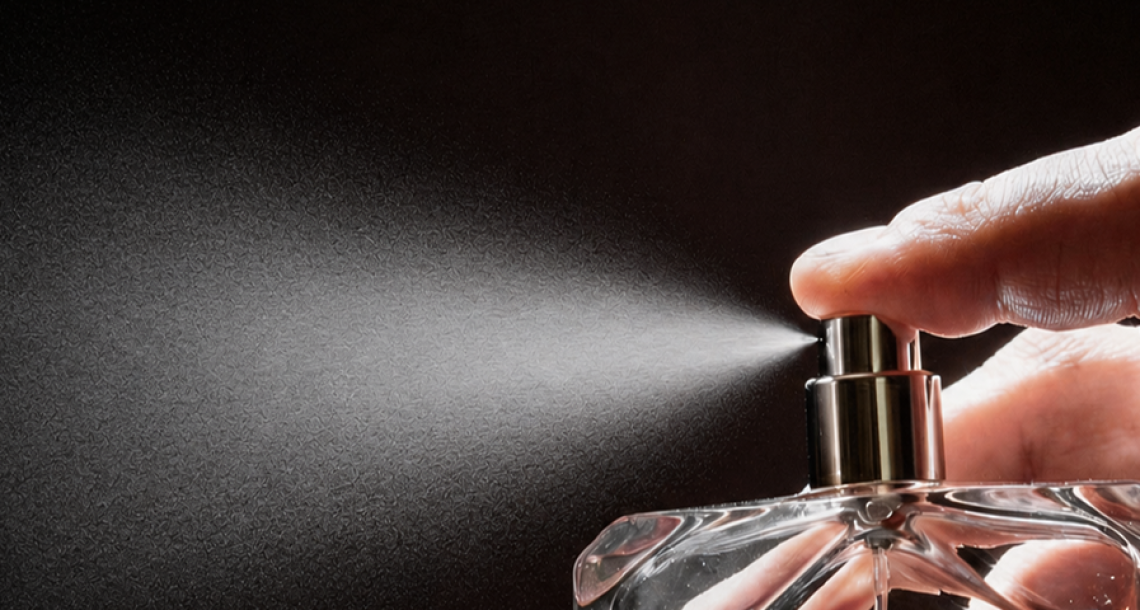
When a customer lifts a perfume bottle and presses the actuator, the result feels effortless — a perfectly atomized mist suspended in the air. But behind that single gesture is a precisely engineered micro-pneumatic system. For brand owners, importers, and packaging buyers, understanding how a perfume pump works isn’t just academic curiosity. It directly informs purchasing decisions, quality benchmarks, and customer satisfaction outcomes.
This guide breaks down the full operating cycle of a fragrance spray pump, from the initial press to the final mist dispersal. We also explain how pump engineering relates to the ISO/FEA standards that govern the global perfume packaging industry.
The Core Function of a Perfume Spray Pump
A perfume pump — also called a fragrance dispenser pump or spray pump — is a miniaturized mechanical device designed to convert liquid fragrance into a fine aerosol mist without the use of propellant gases. Unlike aerosol cans that rely on pressurized gas, fine mist pumps operate entirely through mechanical displacement, making them safer, more sustainable, and more controllable.
The pump is mounted onto the bottle neck via a crimp collar or screw fitting and interfaces with the fragrance liquid via a dip tube. The spray output is delivered through a nozzle — the actuator — which shapes the mist particle size and spray angle.
Step-by-Step: The Pump Operating Cycle
Step 1 — Depression (Actuator Press)
The user presses down on the actuator button. This mechanical force is transmitted to the pump piston through the stem. As the piston descends into the pump chamber, it compresses the liquid trapped inside. The ball valve at the base of the chamber closes under this downward pressure, preventing liquid from re-entering the dip tube.
Step 2 — Pressurization and Ejection
Once internal pressure exceeds the resistance of the stem orifice, the liquid is forced upward through the hollow stem and into the actuator channel. The actuator nozzle is machined with a specific orifice geometry that determines the spray pattern — typically a cone angle between 50° and 80° for standard perfume applications. The liquid exits as a fine mist.
Step 3 — Spring Return and Refill
When the user releases the actuator, the internal spring pushes the piston back to its resting position. This creates negative pressure inside the pump chamber. The ball valve at the base reopens, allowing fragrance from the dip tube to refill the chamber. The pump is now primed for the next actuation.
Step 4 — Priming on First Use
New pumps must be primed before delivering a full dose. Typically 3 to 5 depressions are required to purge air from the dip tube and fill the pump chamber with liquid for the first time. High-quality pumps incorporate shorter dip tubes and tighter tolerances to minimize the priming strokes required.
Key Performance Parameters Buyers Should Evaluate
- Dosage output (ml per stroke): Industry standard for fine fragrance is 0.08–0.15 ml per actuation
- Actuation force (N): The force required to depress the pump; lower force improves user experience
- Spray angle and particle size (microns): Finer particles (30–60 microns) produce a silkier mist sensation
- Leak-proof performance: Pumps must pass vacuum and pressure leak tests to prevent fragrance evaporation in transit
- Chemical compatibility: All internal components must resist alcohol-based fragrance formulas
FEA Standards and Pump-to-Bottle Compatibility
The Fédération Européenne de l’Aérosol (FEA) establishes the dimensional standards governing how pump collar dimensions interface with bottle neck finishes. The two most common standards in fine fragrance are FEA15 (15mm collar diameter) and FEA20 (20mm collar diameter). All Panda Glass bottles are manufactured to FEA15 and FEA20 tolerances, ensuring seamless interchangeability with pumps from major global suppliers.
For buyers sourcing bottles and pumps independently, verifying FEA compliance on both components eliminates the risk of misfit — one of the most common and costly errors in fragrance packaging procurement.
Why Pump Mechanism Quality Matters for Brand Owners
A substandard pump mechanism introduces several brand-damaging failure modes: inconsistent dosage that frustrates users, drip-after-spray that stains bottles and clothing, premature spring fatigue that leaves pumps feeling loose, and alcohol permeation through seals that accelerates fragrance degradation.
At Panda Glass, our pump range undergoes 100% automated pressure and vacuum leak testing, plus cycle-life testing simulating 30,000+ actuations. For brand owners focused on delivering a premium unboxing and usage experience, pump mechanism quality is non-negotiable.
Conclusion
The perfume spray pump is a deceptively simple device with a precisely engineered operating cycle. Understanding its mechanics helps buyers specify the right pump for their fragrance, evaluate supplier quality claims with confidence, and prevent costly compatibility errors. Panda Glass supplies FEA15 and FEA20 compliant pumps alongside our full range of perfume glass bottles, ensuring complete packaging consistency from a single source. Request a technical data sheet or pump sample: info@pandaglass.com | www.pandaglass.com