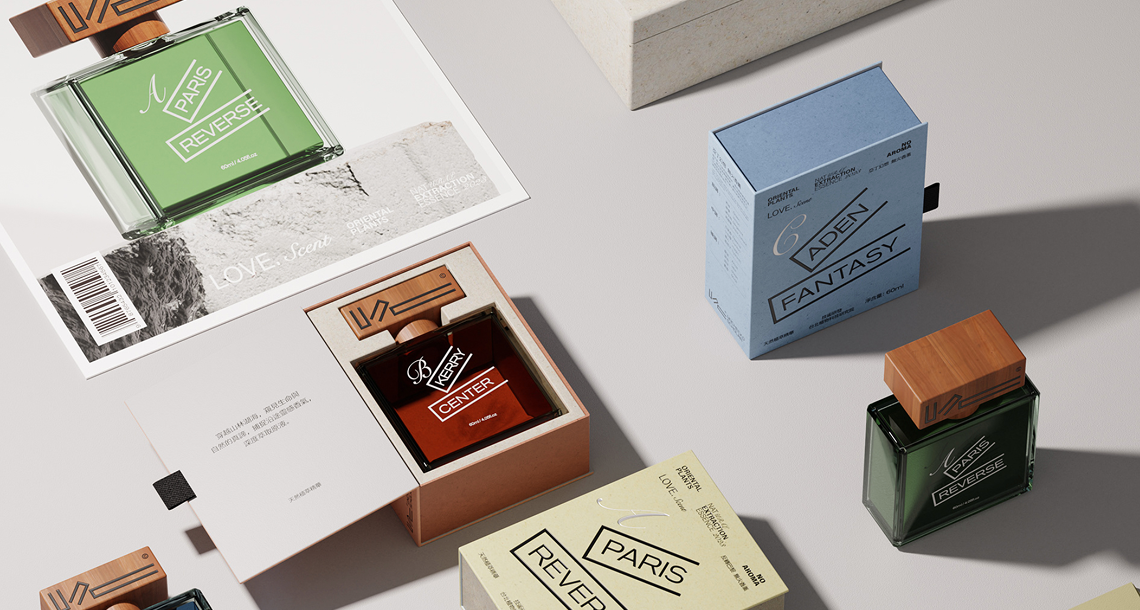

When a new fragrance brand reaches out to us for the first time, the most common question is not about bottle shapes or neck sizes. It is: how long will this actually take? The honest answer is that it depends — but the reassuring answer is that with the right perfume packaging manufacturer, the timeline is entirely predictable. This guide walks through every stage of the production journey, from the first sketch to the moment your bottles are loaded onto a freight container.
Why Timeline Transparency Matters in Fragrance Packaging
Most sourcing delays in the perfume industry do not happen on the factory floor. They happen in the weeks before production even starts — in back-and-forth email chains, unclear specifications, and approval processes that drag on because no one mapped out the critical path upfront. A seasoned perfume packaging manufacturer will give you a week-by-week project timeline before a single mold is cut. If they cannot, that is your first warning sign.
Stage 1 — Brief & Specification Lock (Week 1–2)
The process begins with a detailed brief. This is more than choosing between a rectangular and a cylindrical bottle. A proper spec lock covers: bottle volume (15ml to 1000ml), neck finish (FEA15, FEA20, EUR4, EUR6, 18/400, 24/410, and others), glass weight and wall thickness, surface treatment options (frosting, UV coating, hot stamping), and the pump head compatibility if a spray format is required. Skipping any of these at this stage cascades into costly revisions later. Experienced buyers — particularly purchasing managers at mid-to-large fragrance houses — often supply a pre-filled spec sheet. First-time brand founders benefit most from a consultative intake call where the manufacturer walks through each parameter.
Stage 2 — Sampling & Prototyping (Week 3–6)
Once specs are confirmed, the manufacturer produces a pre-production sample. For standard shapes drawn from an existing mold library, this can arrive within two to three weeks. For fully custom shapes requiring new mold tooling, expect four to six weeks for the first sample. This is not a phase to rush. The sample review is where you evaluate glass clarity, weight balance, neck alignment, and how the cap fits over the pump collar. Request at least two rounds of sample approval in your contract. Manufacturers who offer only one round are optimizing for their production schedule, not your product quality.
Stage 3 — Pre-Production & Material Sourcing (Week 6–8)
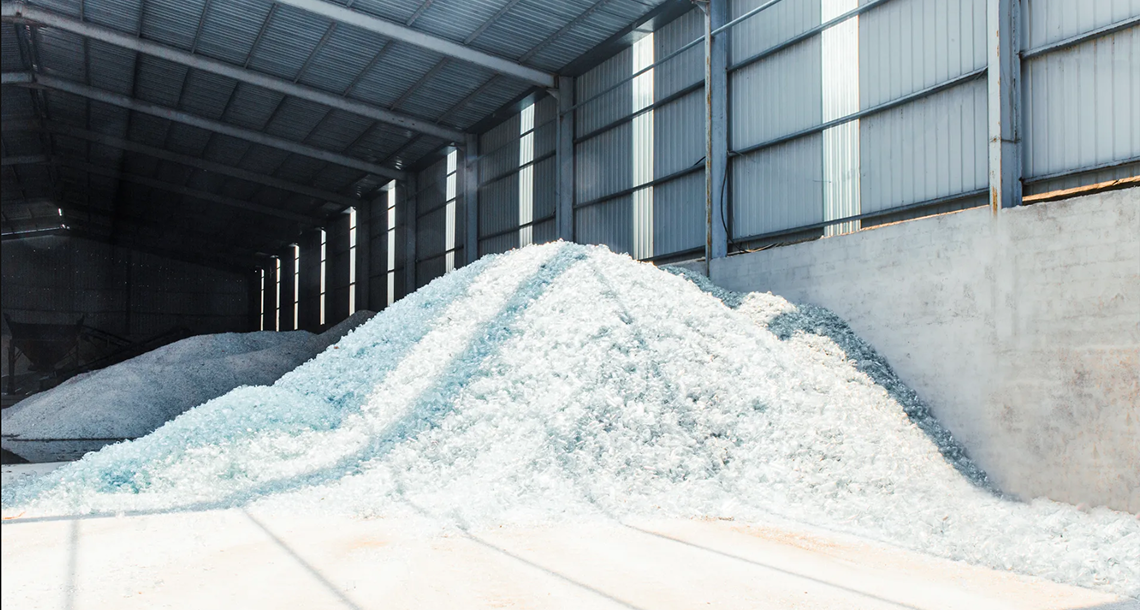
After sample sign-off, the factory orders raw materials — soda-lime or borosilicate glass cullet, coloring agents, metal collar components, and any decorative materials. Responsible perfume bottle manufacturers maintain buffer stock of the most common components. This is especially important for imported materials subject to supply chain disruption. Ask your supplier directly: what is your current raw material lead time, and do you hold safety stock for critical components? The answer tells you a great deal about their operational maturity.
Stage 4 — Mass Production (Week 8–14)
Production runs for glass perfume bottles typically range from four to six weeks depending on order volume and complexity of decoration. A straightforward frosted bottle at MOQ quantities moves faster than a multi-step decorated piece requiring UV coating, silk screening, and hot stamping in sequence. During this stage, your manufacturer should provide mid-production QC photos — not as a courtesy, but as a contractual deliverable. Reputable perfume packaging manufacturers assign a dedicated QC inspector to each order and document defect rates against AQL (Acceptable Quality Level) standards.
Stage 5 — Assembly & Component Integration (Week 14–16)
Glass bottles are rarely shipped as standalone units. A complete perfume packaging order includes the bottle body, the pump head or roller ball fitment, the outer cap or closure, and the secondary packaging — typically a folding carton box. Coordinating these four components so they arrive at the assembly line simultaneously is a logistical challenge that solo-component suppliers cannot solve. This is the fundamental advantage of working with an integrated perfume packaging manufacturer who controls all four lines in-house or through tightly managed supplier networks.
Stage 6 — Final QC, Packing & Freight (Week 16–18)
Final inspection covers appearance (scratches, bubbles, coating uniformity), dimensional accuracy (neck thread gauge, cap torque), and functional testing (pump stroke volume, leak test). Products destined for EU and US markets require compliance documentation — more on that in a separate guide. Freight transit from Chinese manufacturing hubs to European ports runs approximately 28 to 35 days by sea. For North American buyers, West Coast ports see 18 to 22 days while East Coast routes add another 7 to 10 days. Air freight is available for urgent initial launch orders.
The 18-Week Reality Check
Add it up: two weeks for spec lock, six weeks for sampling, two weeks for pre-production, six weeks for production, two weeks for assembly and QC, and four weeks for ocean freight. You are looking at approximately 18 to 22 weeks from first contact to bottles in your warehouse. Brands that plan for 12 weeks consistently find themselves either paying air freight premiums or delaying their launch. The brands that build beautiful, profitable product lines are the ones that start their packaging conversation at least five months before their target launch date. If you are reading this article and your launch is in four months, call your packaging supplier today — not next week.
How to Compress the Timeline Without Cutting Corners
There are legitimate ways to shorten the cycle. Choosing from an existing mold library eliminates the tooling phase entirely, saving three to four weeks. Providing a complete, pre-approved specification document on day one eliminates revision rounds. Using a manufacturer who stocks your chosen neck finish removes material sourcing delays. And batching your first order with a production run already in progress — something good manufacturers can accommodate — can fold your lead time into an existing schedule. None of these shortcuts compromise quality. They simply remove unnecessary waiting from the process.
→ Working with a reliable perfume packaging manufacturer is ultimately about predictability. Download our production timeline template or contact our team to receive a week-by-week project schedule tailored to your specific bottle configuration and target launch date.
E-mail:info@pandaglass.com Web:www.pandaglass.com