
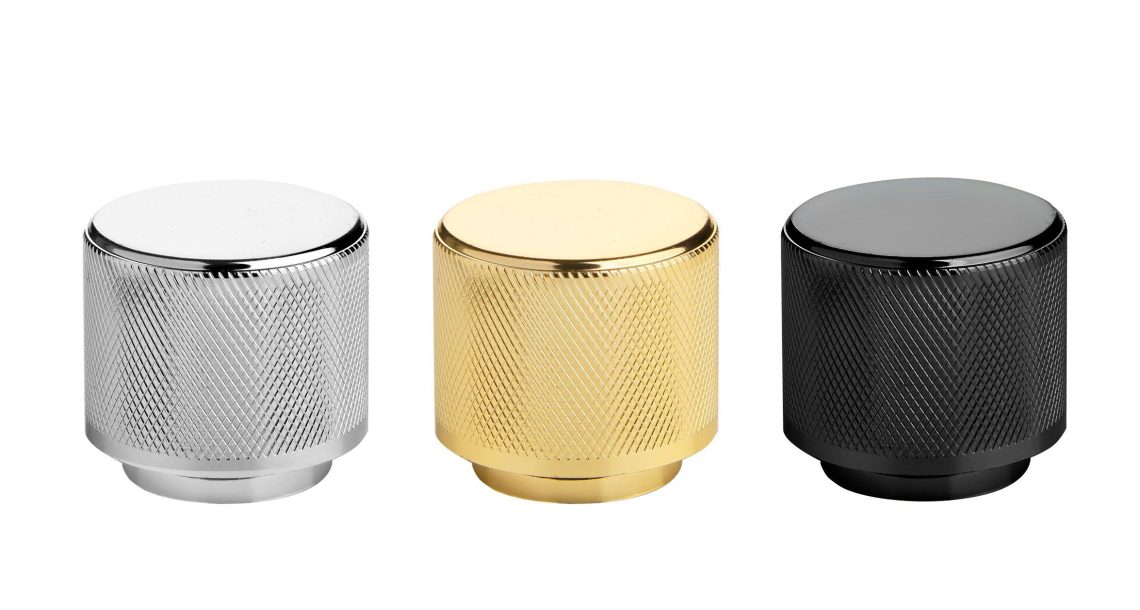
Perfume bottle closures are often chosen for their appearance, but bulk purchasing decisions must account for mechanical fit, durability and production repeatability. A decorative cap can look excellent in a sample review yet cause problems if it fits loosely, requires too much force or scratches during assembly.
For fragrance brands, contract manufacturers and packaging distributors, the goal is to approve a complete closure assembly that can be reproduced consistently and integrated with the specified bottle and pump.
1. Define What “Closure” Includes
Depending on the packaging configuration, a closure system may include a decorative cap, inner insert, collar, actuator, crimping ferrule or retention component. These parts do not perform the same role.
The decorative cap usually protects the actuator and provides the tactile and visual experience. Pump gaskets, ferrules and other sealing features generally govern the liquid seal. A poorly fitted decorative cap and a leaking pump are therefore different technical problems.
The purchase specification should identify every component in the quoted assembly, materials, interfaces and final assembled dimensions.
2. Compare Closure Materials on Functional Requirements
ABS is frequently considered for decorative molded caps because of design freedom and finishing options. PP can suit selected functional inserts where its material behavior is appropriate. Aluminum provides a relatively lightweight metal appearance; zinc alloy can add substantial weight and accommodate distinctive forms. Wood and wood-composite details add natural character but introduce moisture and grain variation.
Each option has trade-offs. ABS requires consideration of shrinkage and coating adhesion; PP can be challenging for some surface treatments; aluminum can dent; zinc alloy adds weight and finishing complexity; wood-related materials may respond to humidity. Material grade and actual finishing process matter more than a broad material label.
A cap designed for a luxury launch may legitimately prioritize weight and tactile feel, while a mass-market line may prioritize consistent assembly and transport efficiency.
3. Dimensional Fit Must Be Evaluated Across Tolerances
The cap, inner insert and spray assembly each have nominal dimensions and acceptable variation. Even if both components match at nominal size, the worst-case combinations may be too loose or too tight.
Common consequences include cap wobble, poor alignment, difficult installation, engagement failure and unwanted contact with the actuator. A tolerance review should consider engagement diameter, insertion depth, retention geometry, actuator clearance and finished coating thickness where relevant.
Buyer takeaway: Approve the complete cap–pump–bottle assembly. Do not rely on independent cap inspection alone.
4. Cap Retention and Removal Force
Cap retention must balance transport security with consumer usability. Excessively low retention may allow separation in transit; excessive force may make the cap difficult to remove or disturb the pump.
Buyers can specify a method for measuring installation and removal force, then assess performance across production samples and repeated removal cycles. Temperature exposure, material aging and decorative wear may change fit over time. A universal numeric target should not be adopted without testing the actual design.
Premium brands may also specify alignment, tactile engagement and acceptable visual gap between the cap and collar.
5. Finishing Quality Across Thousands of Caps
Decorative finishes may include metallization, electroplating, anodizing, lacquering, painting, UV coating, printing, embossing or other treatments. Buyers should approve a physical master sample and agree on the viewing conditions used to judge color, gloss and visible imperfections.
Technical requirements can include coating adhesion, abrasion resistance, resistance to expected cosmetic or fragrance exposure, print registration and limits for scratches, pinholes and edge defects.
Testing depends on the substrate and finish. An anodized aluminum component should not automatically be evaluated by the same procedure used for a painted ABS part. Define the method and acceptance criteria with the actual finishing supplier.
6. Manufacturing Stability and Change Control
Injection-molded parts respond to resin selection, mold temperature, cooling and processing conditions. Metal parts have their own forming and finishing variation. Inserts, adhesives and assembly methods add more variables.
A change in resin grade, tooling cavity, insert material, supplier or coating process may affect fit even if the appearance remains similar. For repeat orders, the manufacturer should explain how such changes are reviewed and approved.
Ask for controlled drawings, approved appearance references and a documented process for notifying buyers about relevant changes.
7. Consider the Real Cost of Closure Failures
Low unit prices can be offset by manual rework, scratched finishes, slow line assembly, customer complaints and replacement shipments. In a large production run, even a small increase in rejects can materially affect the total cost.
Compare accepted assembled units, not just incoming loose caps. Request pilot assembly trials on the intended pump and bottle system.
8. Supplier Documentation Checklist
Before ordering, confirm the material and grade, included components, critical dimensions, finish and color reference, approved assembly samples, retention-force method, appearance criteria, packaging to protect surfaces, batch traceability and change-control policy.
Frequently Asked Questions
What is the best material for a perfume bottle cap?
There is no universal best choice. ABS, PP, aluminum, zinc alloy and composite materials offer different balances of appearance, mass, durability, manufacturing cost and assembly behavior.
How can I confirm that a perfume cap fits my spray pump?
Use actual production samples and approved drawings. Validate engagement dimensions, installation and removal force, alignment and clearance around the actuator.
Why do perfume caps become loose?
Possible reasons include dimensional variation, worn retention features, mismatched insert geometry, material deformation or incomplete assembly.
Can closures be customized for luxury fragrance brands?
Yes. Depending on tooling and materials, suppliers can discuss shapes, inserts, colors, finishes, mass and decorative effects; feasibility and repeatability should be evaluated before approval.
Conclusion
A successful perfume closure is a precisely controlled assembly, not just a decorative piece. Material choice, dimensional fit and finish performance should be evaluated together before high-volume purchasing.
CTA: Looking for custom perfume caps or closure components in bulk? Contact PandaGlass with your bottle design, pump specifications, preferred materials and finishing requirements to discuss compatible options.