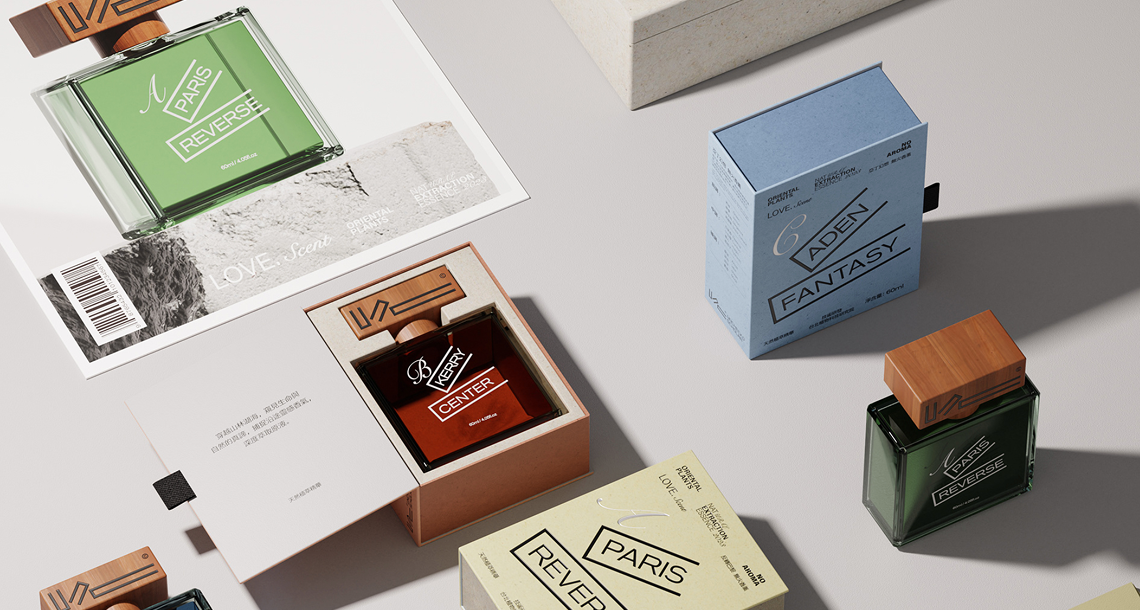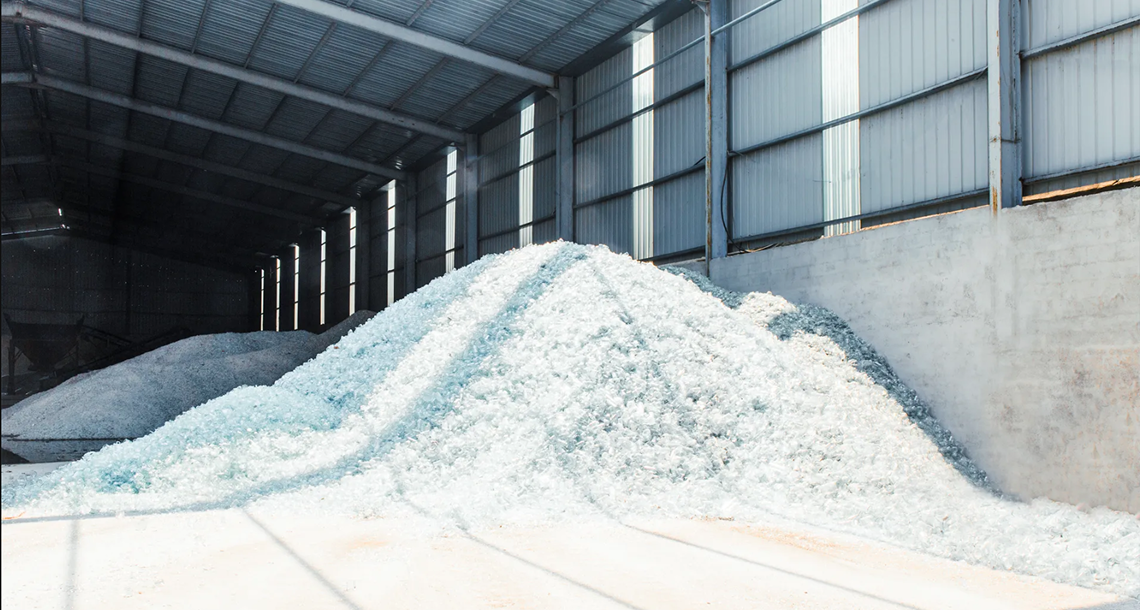

Buying perfume glass bottles in large quantities is fundamentally different from ordering a few samples. A showroom bottle can look impressive while a commercial run still suffers from variation in dimensions, decoration or compatibility with the spray pump. For fragrance brands, contract fillers and packaging distributors, the real purchasing goal is repeatable performance across thousands of units—not simply an attractive prototype.
A reliable evaluation covers glass formation, dimensional accuracy, neck compatibility, decoration, inspection and the overall cost of usable bottles.
1. Glass Quality Starts with Manufacturing Control
Perfume glass is selected for transparency, weight, surface finish and the visual impact of the base. Glass distribution inside the mold influences wall thickness and shape. Forming conditions and controlled annealing influence mechanical reliability.
Common issues to identify in a quality agreement include seeds or bubbles, stones or other inclusions, uneven wall thickness, visible scratches, residual stress and distorted neck finishes. Their severity depends on location and the intended product standard. A tiny cosmetic feature may be acceptable in one package but unacceptable on the front panel of a luxury transparent bottle.
Why annealing matters
After forming, glass containers are cooled under controlled conditions to reduce residual stress. Excess stress can contribute to cracking during later processing or handling even if the bottle appears sound. Buyers can ask about annealing process controls and appropriate stress evaluation, such as polarized-light inspection. Ask for a defined method and acceptance standard rather than an unsupported promise of “zero defects.”
2. Neck Finish Accuracy Is Critical for Filling and Assembly
Pump-to-bottle mismatch is one of the most costly avoidable mistakes in fragrance packaging. Perfume bottles may use crimp necks, snap-fit necks or threaded finishes. These systems are not interchangeable merely because nominal neck measurements appear similar.
For crimp-on systems, the ferrule, gasket, crimping profile and sealing surface must work together. Snap-fit systems rely on retention geometry and suitable assembly force. Threaded systems need compatible thread forms and sealing design.
The technical drawing should establish overall bottle dimensions, neck finish geometry, relevant tolerances, sealing surface, retention features, nominal volume, overflow capacity and weight. Validate the actual production pump against the actual production bottle, using representative assembly equipment wherever possible.
Buyer takeaway: A manually assembled sample may appear compatible but still fail on a high-speed line. Mechanical and sealing trials should be included before final component approval.
3. Nominal Capacity and Overflow Capacity Are Different
Nominal capacity describes the intended fill quantity. Overflow capacity (OFC) describes the approximate volume filled to a defined brim level. The difference provides headspace, but there is no universally correct headspace percentage for all perfumes.
OFC depends on internal geometry, while suitable operating headspace depends on the fragrance, filling process, dispenser displacement and expected temperature exposure. Two 100 ml bottles can have different OFC values and display different apparent fill heights. Specifications should identify fill volume, OFC, test method and tolerances separately.
4. Custom Mold Development: Evaluate More Than the Quotation
Custom glass shapes help brands distinguish their products, but tooling creates engineering and commercial commitments. The project may include drawing review, mold fabrication, trial runs, dimensional adjustments, decoration sampling and pilot-scale validation.
Clarify who owns the tooling, where it is stored, how maintenance is handled, who pays for revisions and whether the tool may be transferred or reused. Complex shoulders, sharp corners, thick bases and unusual internal structures should undergo manufacturability review. The standard of success is not one beautiful first sample, but a design the factory can reproduce within agreed specifications.
An approved master sample, controlled drawings and formal change approval are critical for repeat orders.
5. Decoration Adds New Quality Risks
Frosting, coating, gradient spraying, printing and metallized effects introduce additional sources of variation. Agree on color reference and lighting, coating adhesion requirements, abrasion resistance, chemical resistance where relevant, print location and appearance limits. A color approved on one sample may drift across batches without suitable process controls.
Chemical resistance should be tested against realistic exposure conditions, especially where fragrance may contact the outer surface. Do not assume a decorative finish is compatible with every perfume formula.
6. How to Assess Bulk Quality Control
For orders of 10,000 units or more, buyers need a control plan covering in-process checks, dimensions, visual defects, lot identification and pre-shipment inspection. Where an AQL sampling approach is used, agree in advance on the sampling standard, inspection level and definitions of critical, major and minor defects.
AQL-based acceptance does not guarantee that every single bottle is defect-free. Critical failures may require stricter treatment than cosmetic imperfections. Ask suppliers for meaningful test records and traceability instead of generic claims about strict quality control.
7. Compare Total Cost per Usable Bottle
The lowest quoted unit price may not yield the lowest finished-goods cost. Include tooling amortization, freight, duties, decoration, sorting, rejects, rework and filling-line downtime where applicable.
Practical formula: Total usable-unit cost = total landed and processing cost ÷ number of accepted, usable bottles.
A supplier with a slightly higher unit price but better dimensional consistency may have a lower real cost at production scale. Evaluate supplier performance using your own defect thresholds and assembly trials.
8. Pre-Order Procurement Checklist
Before releasing a production purchase order, confirm: approved drawings and physical samples; neck and pump compatibility; nominal and overflow capacity; defect and decoration standards; mold terms; test and inspection plans; lot traceability; packing method; lead times; and the procedure for production changes.
Frequently Asked Questions
What should I look for in a bulk perfume glass bottle manufacturer?
Prioritize repeatable neck dimensions, appropriate glass process controls, written inspection criteria, transparent tooling terms and proven compatibility with the intended spray assembly.
What is the difference between standard and custom perfume bottles?
Standard bottles normally use existing designs or tooling. Custom bottles require project-specific engineering or tooling, with additional development time, cost and approval stages.
How can I reduce defects in large glass bottle orders?
Approve controlled samples, define measurable acceptance standards, validate pumps with production-representative bottles and inspect using an agreed plan before shipment.
Can one perfume bottle work with different pump manufacturers?
Possibly, but each bottle–pump combination must be checked. Similar nominal neck dimensions do not prove identical sealing and retention performance.
Conclusion
A sound bulk bottle purchase is built around consistent manufacturing, compatible components, defined inspection criteria and stable repeat production. Investing in engineering validation before ordering protects both filling efficiency and brand quality.
CTA: Planning a large-volume perfume glass bottle project? Share your bottle drawing, capacity, pump requirements and target quantity with PandaGlass to discuss manufacturing feasibility and packaging compatibility.