Packaging procurement in the fragrance industry has a problem that rarely gets named directly: most packaging suppliers are not fragrance packaging suppliers. They are general-line manufacturers who list perfume bottles in a catalog alongside cosmetic jars, beverage containers, and industrial glass — and wonder why their tolerances do not meet fine fragrance specifications.
The consequences are familiar to anyone who has managed a fragrance launch: neck dimensions that crimp inconsistently, glass weights that vary batch to batch, lead times quoted in weeks and delivered in months, and component sets that require three separate suppliers and a full-time coordinator to hold together.
Panda Glass was built as the alternative.
Specialization as a Manufacturing Philosophy
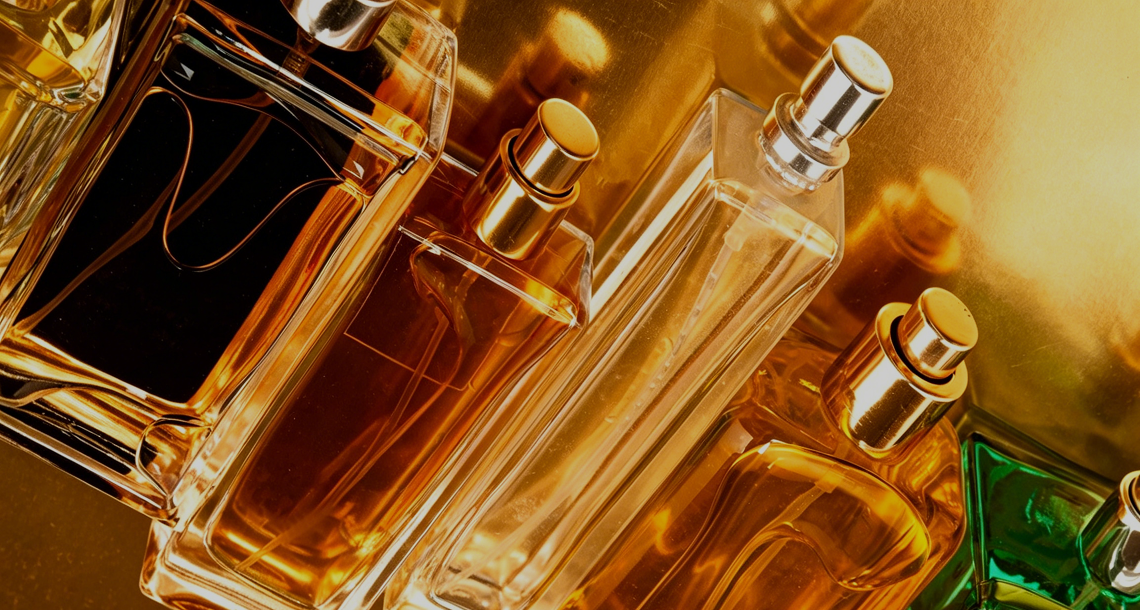
When a manufacturer focuses exclusively on fragrance packaging — glass bottles, pumps, caps, and cartons for perfume and fine fragrance — the entire operation is calibrated to that category’s demands. Mold libraries are built around fragrance silhouettes. Quality control parameters are set to fragrance filling tolerances. Sampling processes are structured around the fragrance development timeline. Stock inventory is curated around the volumes, neck finishes, and shapes that fragrance brands actually use.
This is not a subtle difference. It is the difference between a supplier who reads your brief and a supplier who already knows what you need before you send it.
Precision at the Neck
The FEA15 neck finish is the fragrance industry’s standard crimp interface — and it is where manufacturing precision matters most. A neck that runs outside specification will not accept a standard crimp pump cleanly, producing inconsistent spray performance, seal failures, or cosmetic defects at the collar. At Panda Glass, FEA15 neck tolerances are held across every production run, on every bottle in our portfolio, as a baseline — not a premium.
For brands sourcing internationally, this consistency is not a given. It is the result of sustained investment in mold engineering, process control, and outgoing quality inspection that only a specialist manufacturer maintains as standard practice.
From Sampling to Scale
One of the most consistent pain points in fragrance packaging procurement is the gap between sampling and production. A sample arrives beautifully — correct dimensions, clean glass, precise neck — and the bulk order delivers something subtly but consequentially different. Wall thickness shifts. Surface quality varies. Color consistency drifts.
At Panda Glass, our sampling process uses production tooling and production-grade glass batches wherever possible, so that the sample a brand approves is genuinely representative of what will arrive in bulk. For custom programs, we provide dimensional reports and pull weight data alongside physical samples, giving procurement and quality teams the documentation they need to approve with confidence.
A Partner, Not a Vendor
The brands that work with Panda Glass across multiple launches describe the relationship in terms that go beyond transactional: responsive technical support, proactive communication on lead times and inventory, and a genuine understanding of the commercial pressures that fragrance brands operate under.
We know that launch windows do not move. We know that retail listings have fill-date requirements. We know that a component shortage at week eight of a twelve-week production program is not an inconvenience — it is a crisis. We structure our inventory management, production scheduling, and client communication to prevent those crises before they develop.
That is what specialization looks like in practice. And it is why fragrance brands, once they work with a specialist, rarely go back to a generalist.